Signs Commercial Brick or Stone Mortar Needs Tuckpointing
If signs commercial brick or stone mortar needs tuckpointing, local contractors can assess and restore your masonry's integrity and appearance effectively.
Property owners noticing issues with their brick or stone exteriors often wonder about the best way to maintain their building’s appearance and structural integrity. Recognizing signs that commercial brick or stone mortar needs tuckpointing early can prevent more costly repairs down the line. Whether it’s crumbling mortar, cracks, or deteriorated joints, addressing these issues promptly helps preserve the aesthetic appeal and value of the property. Local contractors who specialize in tuckpointing services are equipped to assess these signs and recommend appropriate solutions, making it easier for property owners to keep their buildings in top condition.
Exploring options for brick or stone tuckpointing can be especially practical for those managing commercial properties, historic buildings, or any structure where masonry plays a key role. Properly maintained mortar not only enhances the visual appeal but also protects the underlying brick or stone from water damage and other elements. Property owners interested in restoring or maintaining their masonry can find experienced service providers ready to handle the job. Continuing to read can provide helpful insights into identifying the signs that indicate a need for tuckpointing and understanding how local contractors can help ensure the longevity of their investment.
- Signs commercial brick or stone mortar needs tuckpointing - property owners noticing crumbling or deteriorated mortar may seek tuckpointing services to restore structural integrity.
- Signs commercial brick or stone mortar needs tuckpointing - when brick or stone surfaces show visible cracks or gaps, local contractors can provide expert tuckpointing to prevent further damage.
- Signs commercial brick or stone mortar needs tuckpointing - aging or weathered mortar joints often prompt building managers to contact service providers for repairs and preservation.
- Signs commercial brick or stone mortar needs tuckpointing - aesthetic concerns like uneven or discolored mortar may lead property owners to consider tuckpointing to improve curb appeal.
- Signs commercial brick or stone mortar needs tuckpointing - structural assessments revealing mortar deterioration can result in local pros recommending tuckpointing to maintain safety and stability.
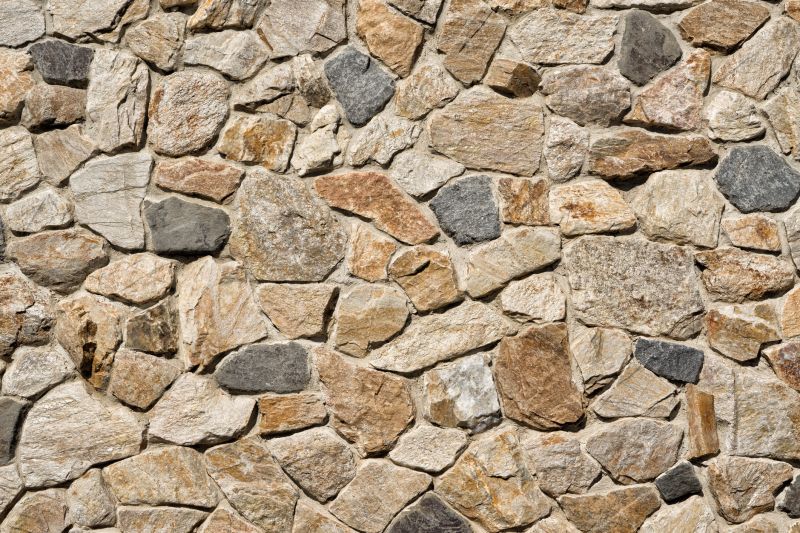
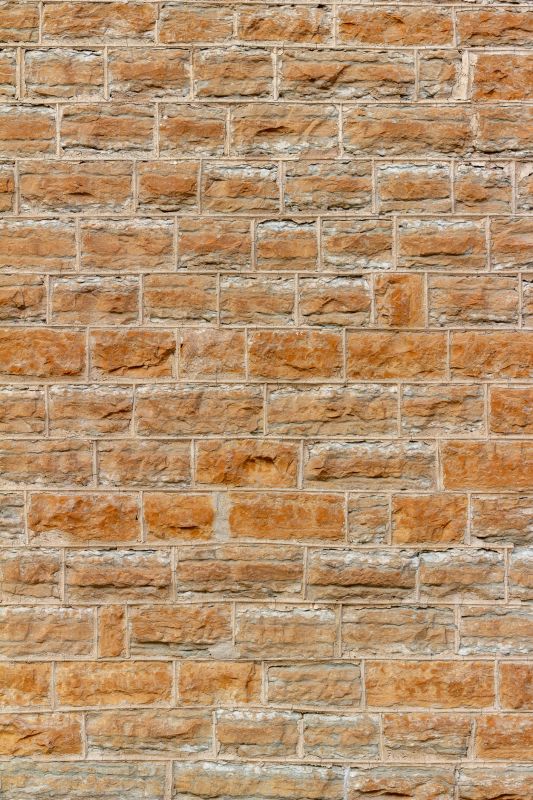
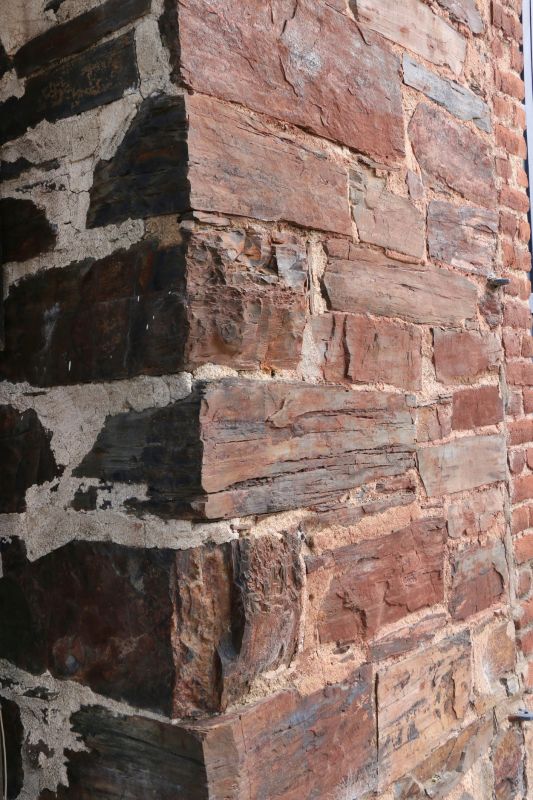
When searching for signs commercial brick or stone mortar needs tuckpointing, property owners are typically looking for indicators that the mortar joints in their masonry are deteriorating or failing. Tuckpointing is a repair process that involves removing damaged or crumbling mortar and replacing it with fresh material to restore the structural integrity and appearance of brick or stone walls. Common signs include visible cracks, gaps, or holes in the mortar, as well as areas where the mortar has crumbled or fallen away. These issues often become more noticeable over time and can be triggered by weather exposure, ground movement, or age, prompting property owners to seek professional repair services.
This topic relates closely to projects aimed at maintaining or improving the durability and visual appeal of masonry structures. For commercial properties, tuckpointing can be essential in preventing water infiltration, which can cause further damage to bricks or stones and compromise the building’s stability. For homeowners, especially those with historic or decorative masonry, addressing mortar deterioration helps preserve the character and value of the property. Whether the goal is routine maintenance or preparing a building for sale or renovation, understanding when mortar needs attention is an important first step in planning a repair project.
The types of properties that often require tuckpointing include commercial buildings such as retail stores, office complexes, and warehouses, as well as residential structures like historic homes, apartment buildings, and townhouses. Commercial properties tend to have larger, more visible masonry surfaces that demand regular inspections to identify early signs of mortar deterioration. Residential properties, especially older homes with traditional brick or stone exteriors, may also need tuckpointing to address age-related wear or damage caused by weather conditions. Regardless of property type, working with local contractors who specialize in brick or stone tuckpointing ensures that repairs are performed properly and help extend the lifespan of the masonry.
Understanding the signs that commercial brick or stone mortar needs tuckpointing helps property owners recognize when professional services are necessary. Recognizing issues early can prevent more extensive damage and costly repairs down the line. Local service providers experienced in tuckpointing can assess the condition of masonry, recommend appropriate repairs, and carry out the work to restore both strength and aesthetic appeal. Whether addressing minor cracks or significant mortar deterioration, connecting with qualified pros ensures that the project is handled efficiently and effectively, safeguarding the integrity of the property for years to come.
Historic masonry restoration involves repairing and preserving older brick or stone structures, often requiring tuckpointing skills to match original mortar joints and maintain historical integrity.
Brick veneer installation is related as it involves working with brick surfaces where proper mortar work ensures stability and aesthetic appeal, similar to tuckpointing needs.
Stone wall rebuilding requires precise mortar removal and replacement, making it a related project for service providers experienced in tuckpointing techniques.
Chimney repair and rebuilding often involves mortar joint work to ensure safety and structural stability, aligning with skills used in tuckpointing for signs of mortar deterioration.
Exterior façade restoration includes restoring brick or stone surfaces with attention to mortar joints, requiring similar planning and tools as tuckpointing services.
Masonry cleaning and sealing prepares surfaces for tuckpointing by removing dirt and old mortar, making it a related project that local contractors can handle efficiently.
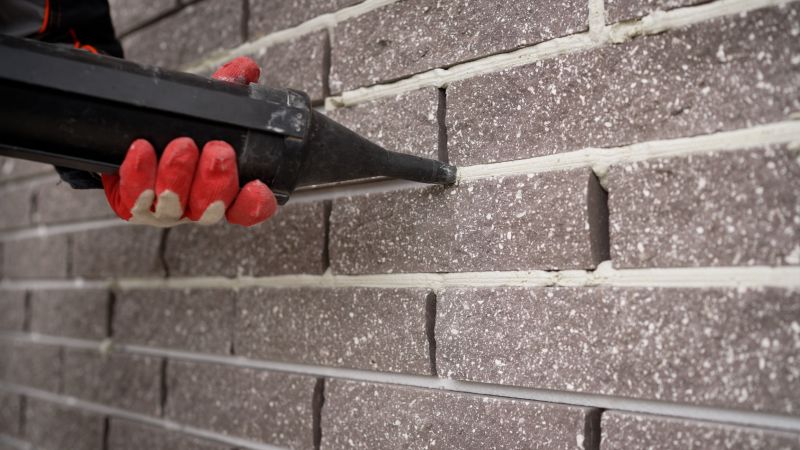
When evaluating service providers for signs commercial brick or stone mortar needs tuckpointing, it is important to consider their experience with similar projects. Contractors who have successfully handled brick or stone tuckpointing work comparable to the scope and style of the property can often deliver more reliable results. Asking about their past projects or requesting examples of work completed for commercial buildings with brick or stone facades can provide insight into their familiarity with the specific requirements and challenges involved. This experience can help ensure that the repair work will be performed with an understanding of the materials and techniques necessary to maintain the building’s structural integrity and aesthetic appeal.
Clear, written expectations are essential when comparing local contractors for tuckpointing services. A detailed scope of work, including the extent of mortar repair, surface preparation, and finishing details, helps establish a mutual understanding of what the project entails. Service providers who can provide comprehensive descriptions of their process and clarify what is included in their scope are more likely to meet expectations and avoid misunderstandings. Having these details documented can also serve as a reference point throughout the project, ensuring that the work aligns with the homeowner’s needs and the specific signs commercial brick or stone mortar needs tuckpointing.
Reputable references and effective communication are key factors to consider when choosing local contractors. Asking for references or examples of previous work can help verify a contractor’s reliability and quality of craftsmanship. Additionally, good communication-such as responsiveness to questions and clarity in explanations-can make the entire process smoother. Service providers who listen carefully, answer inquiries thoroughly, and keep the homeowner informed about project progress tend to foster a more positive working relationship. This level of professionalism can be especially valuable when addressing signs commercial brick or stone mortar needs tuckpointing, where timely and clear communication helps ensure the repairs meet the building's needs and aesthetic standards.
Property owners often search for signs commercial brick or stone mortar needs tuckpointing when they are planning practical projects around their homes and businesses. Local pros provide Brick or Stone Tuckpointing services for everyday jobs and straightforward project options.
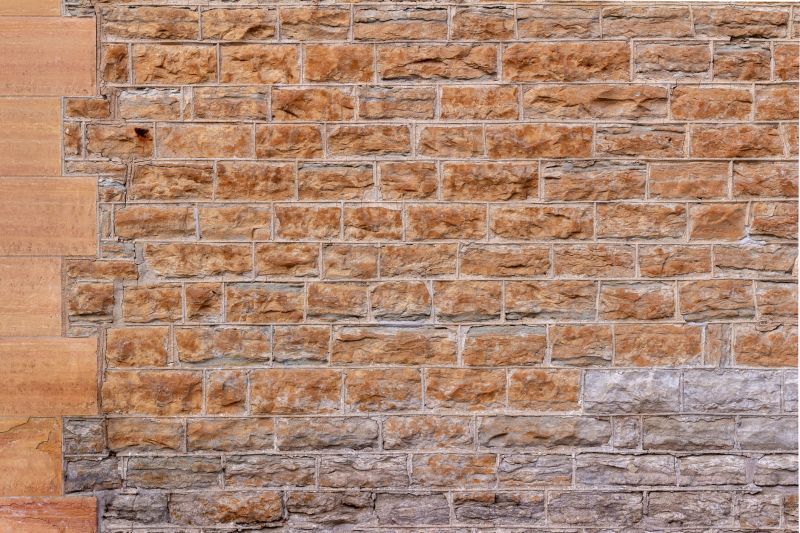
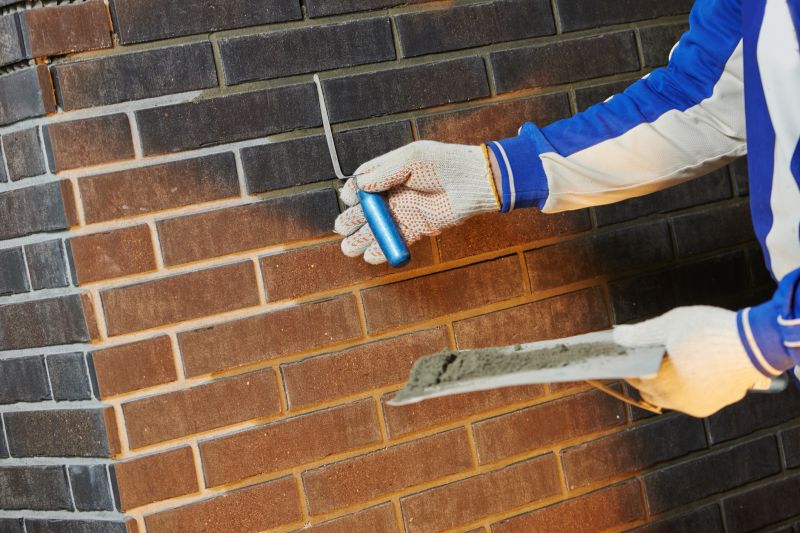
Property owners noticing cracked or deteriorating mortar between bricks or stones often seek out tuckpointing services to restore the integrity and appearance of their structures. Common situations include visible gaps, crumbling mortar, or water infiltration signs that suggest the mortar is no longer effectively holding the masonry in place. In such cases, local contractors specializing in brick and stone repair can assess the condition of the mortar and provide the necessary tuckpointing work to prevent further damage and maintain the property's value.
Additionally, those managing commercial buildings or historic properties may look into tuckpointing when signs of mortar decay threaten the structural stability or aesthetic appeal of their masonry. Whether it's routine maintenance or addressing specific issues like loose bricks or water leaks, property owners often turn to experienced local service providers who can perform the necessary repairs efficiently. Connecting with qualified contractors ensures that the mortar is properly restored, helping preserve the longevity and visual appeal of brick or stone features.
What are common signs that commercial brick or stone mortar needs tuckpointing? Visible cracks, crumbling mortar, and gaps between bricks or stones often indicate the need for tuckpointing services from local contractors.
How can I tell if the mortar between my bricks or stones is deteriorating? Signs include loose or missing mortar, discoloration, and water penetration issues, which can be assessed by local pros during an inspection.
Why is it important to address signs of mortar deterioration in brick or stone structures? Prompt attention helps prevent further damage, structural instability, and costly repairs, making it advisable to consult local service providers for assessment and tuckpointing.
Are there specific signs that indicate tuckpointing is needed on a commercial brick or stone building? Yes, evidence such as mortar erosion, cracked or missing mortar joints, and water leaks are indicators that professional tuckpointing services are needed.
What role do local contractors play when signs commercial brick or stone mortar needs tuckpointing? They evaluate the condition of the mortar, recommend necessary repairs, and perform tuckpointing to restore the integrity and appearance of the masonry.
Identify cracks and deterioration - Recognizing visible cracks or crumbling mortar can help property owners determine when tuckpointing services are needed for brick or stone walls.
Monitor for mortar erosion - Regular inspection of mortar joints can reveal signs that local contractors should address to prevent further damage.
Check for loose or bulging bricks - Noticing loose or shifting bricks can indicate mortar issues that require professional tuckpointing to restore stability.
Assess water damage or staining - Water stains or efflorescence on brick or stone surfaces may signal mortar deterioration that needs attention from experienced service providers.
If you are thinking about signs commercial brick or stone mortar needs tuckpointing for a property, this guide is meant to help you understand this topic, the typical project types, and how different options might fit your plans.
When you are ready, you can use the quote form on this page to share a few details about your project. From there, local pros can review the basics and follow up with options that match what you have in mind.